
meganrivero139
About meganrivero139
The Psychology of Crash Games: Why JetX is So Addictive

Understanding the Basic Appeal
Crash games like JetX tap into a fundamental psychological principle: the cycle of tension and release. The player experiences growing tension and excitement as the multiplier climbs higher with the ascending jet. This is a state of ”controlled risk” where the potential reward is constantly growing, but so is the potential for a total loss. This tension is resolved either by the player cashing out (leading to feelings of relief and success) or by the jet crashing (causing disappointment and a desire for another round). This simple yet powerful loop is highly engaging and keeps players coming back for more.
Near Misses and the ”What If” Factor
The ”near miss” effect is a well-known psychological trigger in gambling, and it’s a central part of the JetX experience. Imagine cashing out at 10x, only to see the jet continue flying to 100x. While it’s a profitable outcome, the feeling is one of regret. This ”what if” scenario triggers a strong desire to play again to ”catch” the big one next time. If you want to check out more info in regards to jetx how to play (jetx-365.com) stop by our own web site. Conversely, if you wait too long and the jet crashes just after the multiplier you were aiming for, the frustration is immense and also encourages another attempt.

Playing as Part of a Crowd
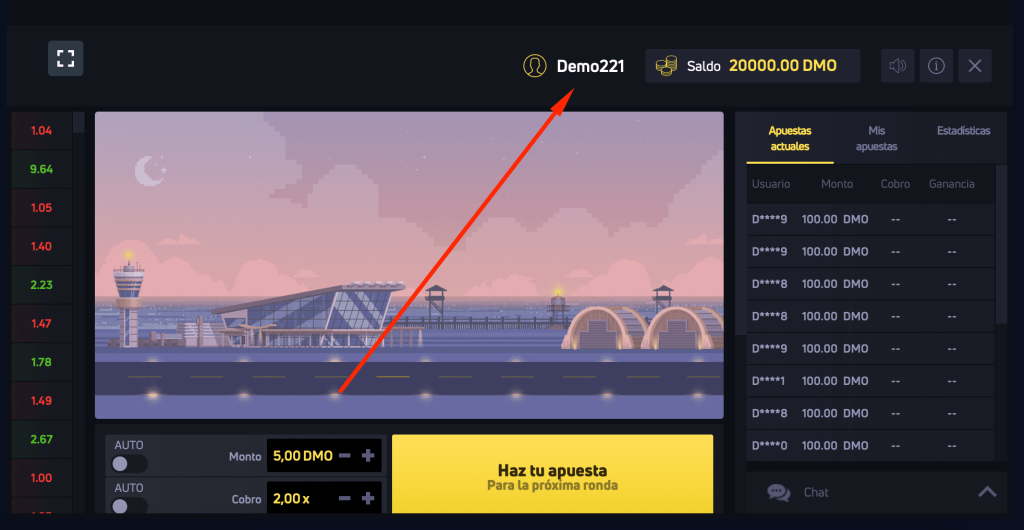
A key difference between JetX and a regular slot machine is its social dimension. You can see the bets and cashout points of all other players in real-time. This feature gives rise to the psychological principle of social proof. When you see other players winning big or cashing out at a certain point, it can influence your own decisions. This shared experience, the collective groans when the jet crashes early and the shared excitement of a long flight, creates a sense of community and makes the game more engaging than playing in isolation.
Feeling in Charge of a Random Outcome
Despite knowing the outcome is random, the decision to cash out provides players with a sense of agency or control. Humans are drawn to situations where they feel their actions matter, and JetX provides this feeling in spades. This makes the player feel like a skillful pilot rather than a passive passenger. This perceived skill makes wins feel more earned and losses feel like a personal misjudgment that can be ”corrected” on the next try, further fueling the desire to keep playing.
No listing found.
 Arabic
  English